

Blends vs Single Compounds: What a Combined Label Actually Tells You
August 8, 2026
Why some research vials carry two or three names, what a blend COA has to prove, and when a single compound is the better choice for a study.
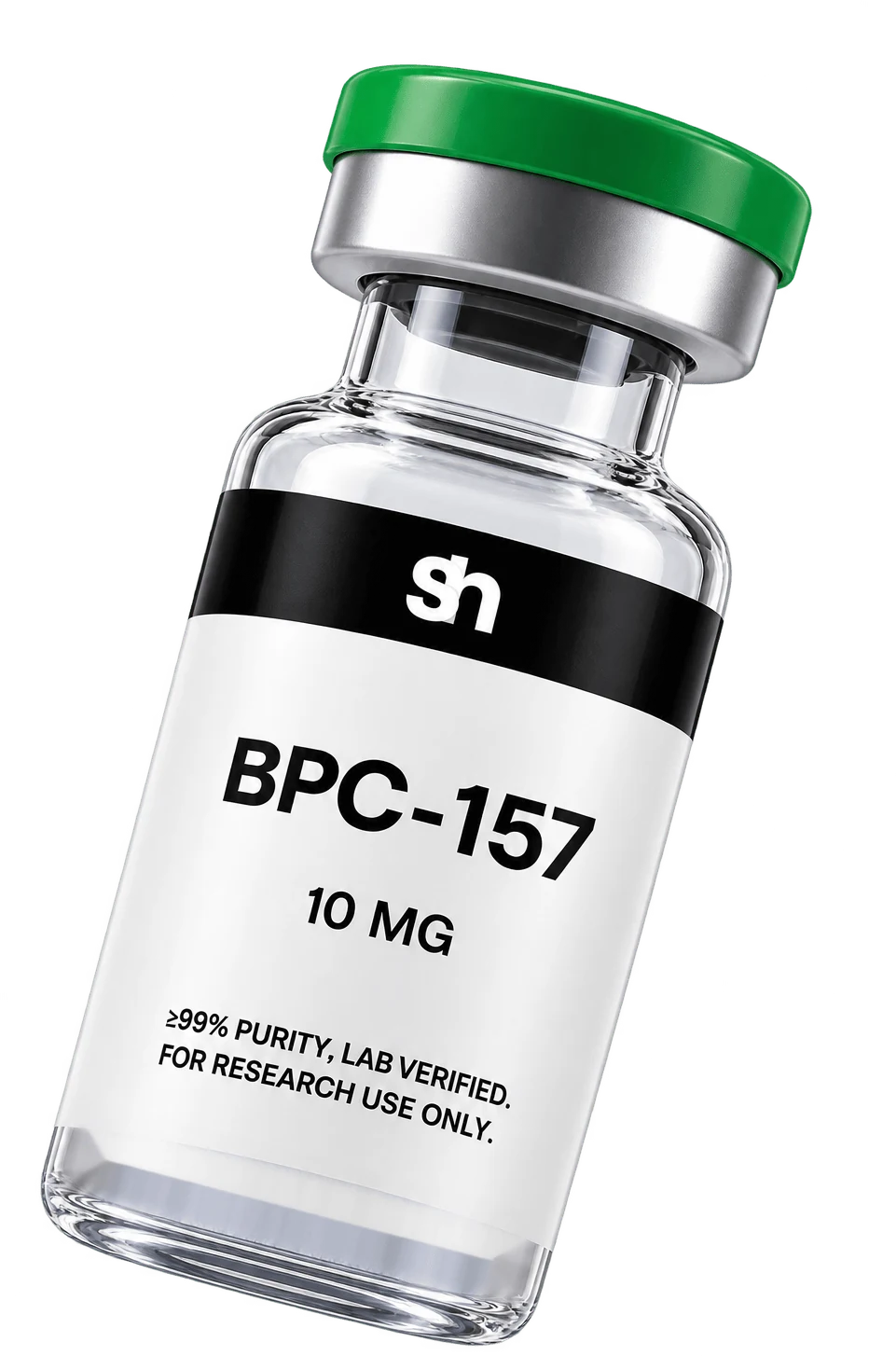
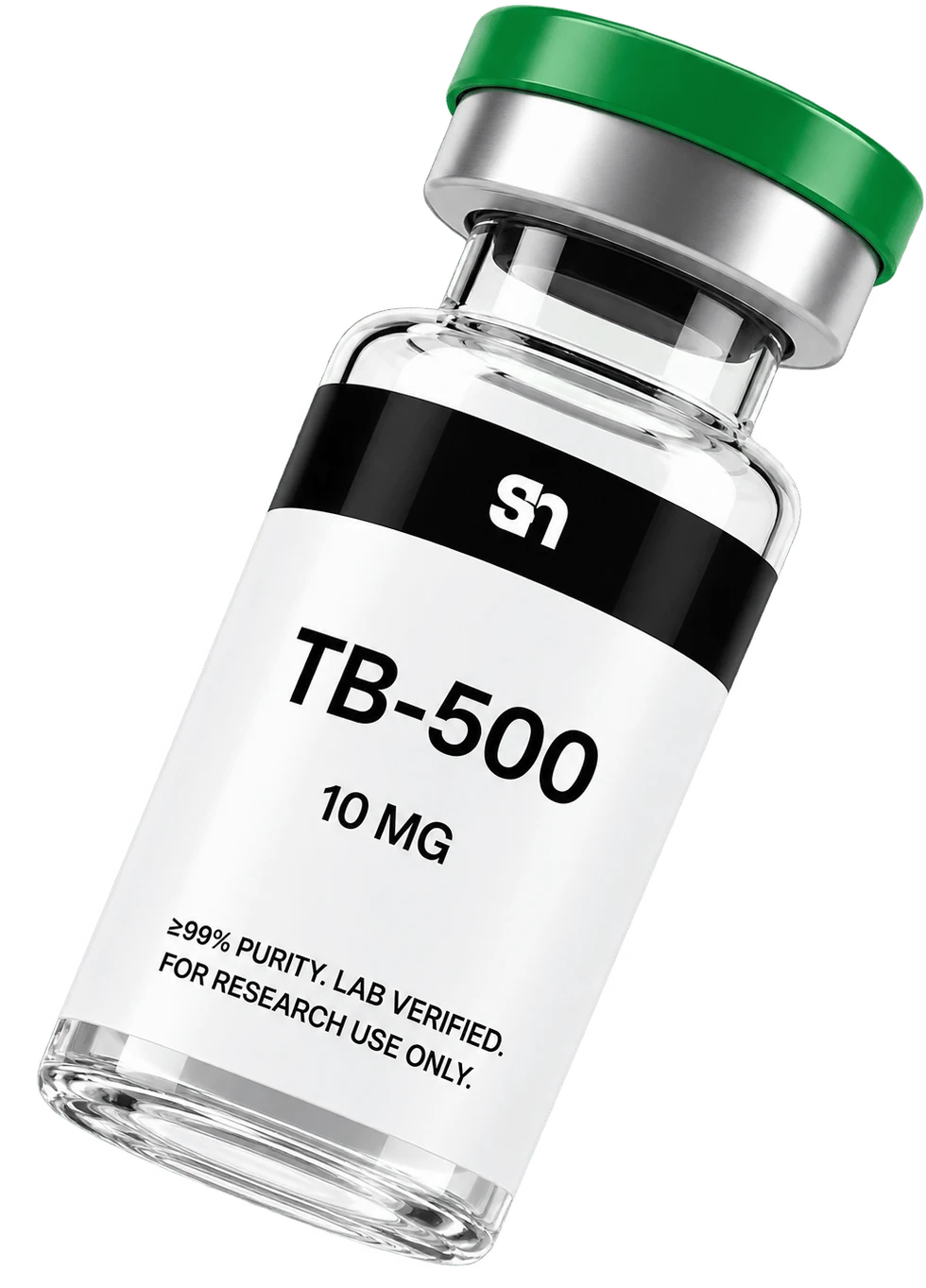
Walk through any research peptide catalogue and you will find two kinds of vial. Some carry a single name. Others carry two or three — BPC-157 with TB-500, CJC-1295 with Ipamorelin, or a proprietary label like KLOW or GLOW that stands in for a fixed combination. Both are legitimate formats. They answer different research questions, and they demand different things from a supplier’s documentation.
What a Blend Actually Is
A blend is not a new molecule. It is two or more separately synthesised peptides combined into a single vial at a fixed ratio, then lyophilised together. Nothing about the individual compounds changes. What changes is that the researcher no longer controls the ratio at the bench — it was decided at the point of manufacture.
That distinction is the whole story. A blend is a convenience and a constraint at the same time.
Why Researchers Reach for Blends
- Fewer reconstitution steps. One vial, one volume of bacteriostatic water, one calculation. Where a protocol calls for two compounds at a consistent ratio across many replicates, a blend removes a recurring source of pipetting error.
- Consistency across a study. Every vial in a lot carries the same ratio. Combining two single-compound vials by hand reintroduces small variations each time.
- Cost and logistics. One vial, one shipment, one line on a purchase order.
What a Blend Costs You
- You cannot vary the ratio. If a study design needs to test one component at several levels against a fixed amount of the other, a blend cannot do it.
- Attribution gets harder. If a result appears, the blend cannot tell you which component drove it, or whether the interaction between them did.
- Documentation is more demanding. This is where most of the real difficulty sits.
The Documentation Question
For a single compound, a Certificate of Analysis has one job: prove the vial contains what the label says, at the stated purity. For a blend, that job multiplies.
A blend’s paperwork should let you answer three separate questions:
- What is in it? Each component identified, not just the trade name of the blend.
- How much of each? The ratio, stated explicitly. “BPC-157 + TB-500 10 mg” tells you the total mass, not the split. A 5 mg / 5 mg vial and a 7 mg / 3 mg vial can both carry that label.
- How pure is each? A single purity figure for a two-component blend is ambiguous unless the method and what it measured are stated. Chromatography of a blend produces multiple expected peaks, and reading that chromatogram correctly requires knowing which peak is which.
If a supplier can only produce a single unexplained percentage for a multi-component vial, that is worth questioning before you order — not after the data comes back strange.
All three questions should be answerable from the listing itself. On the SHLabz catalogue each blend names its components and states the split on its own product page, with the certificate tied to the lot you receive, so none of it depends on getting a reply to an email.
When a Single Compound Is the Better Choice
Reach for single compounds when the study design needs control rather than convenience:
- The protocol varies one component independently of the other.
- The research question is specifically about the contribution of one compound.
- You are establishing a baseline that later combination work will be compared against.
- You want the simplest possible chain of evidence between the vial and the result.
There is no prestige in either format. A blend used where the ratio is genuinely fixed is good practice. A blend used because it was the only thing in stock, in a study that needed independent control, is a design flaw introduced at the procurement stage.
A Practical Rule
Decide the ratio your protocol needs first, then go looking for a vial. Researchers who choose the vial first and adjust the protocol to fit it tend to end up with data that answers a slightly different question than the one they set out to ask.
Whichever format your protocol calls for, both sit in the catalogue with the components and the batch certificate stated on the listing.
References
- Chromatographic analysis of multi-component peptide preparations — PubMed
- Janoshik Analytical — the laboratory that issues our certificates
Take your research further.
Lab-tested research peptides with certificates published by batch. Free UAE delivery over AED 350 in 1–2 working days, and 3–5 across the GCC.
This article is provided for general research and educational purposes only. All SHLabz products are sold strictly for laboratory research use and are not intended for human or veterinary consumption, diagnosis, treatment, or prevention of any disease. Nothing in this article constitutes medical advice. Always consult a qualified professional and comply with applicable local regulations regarding the handling and use of research compounds.

